
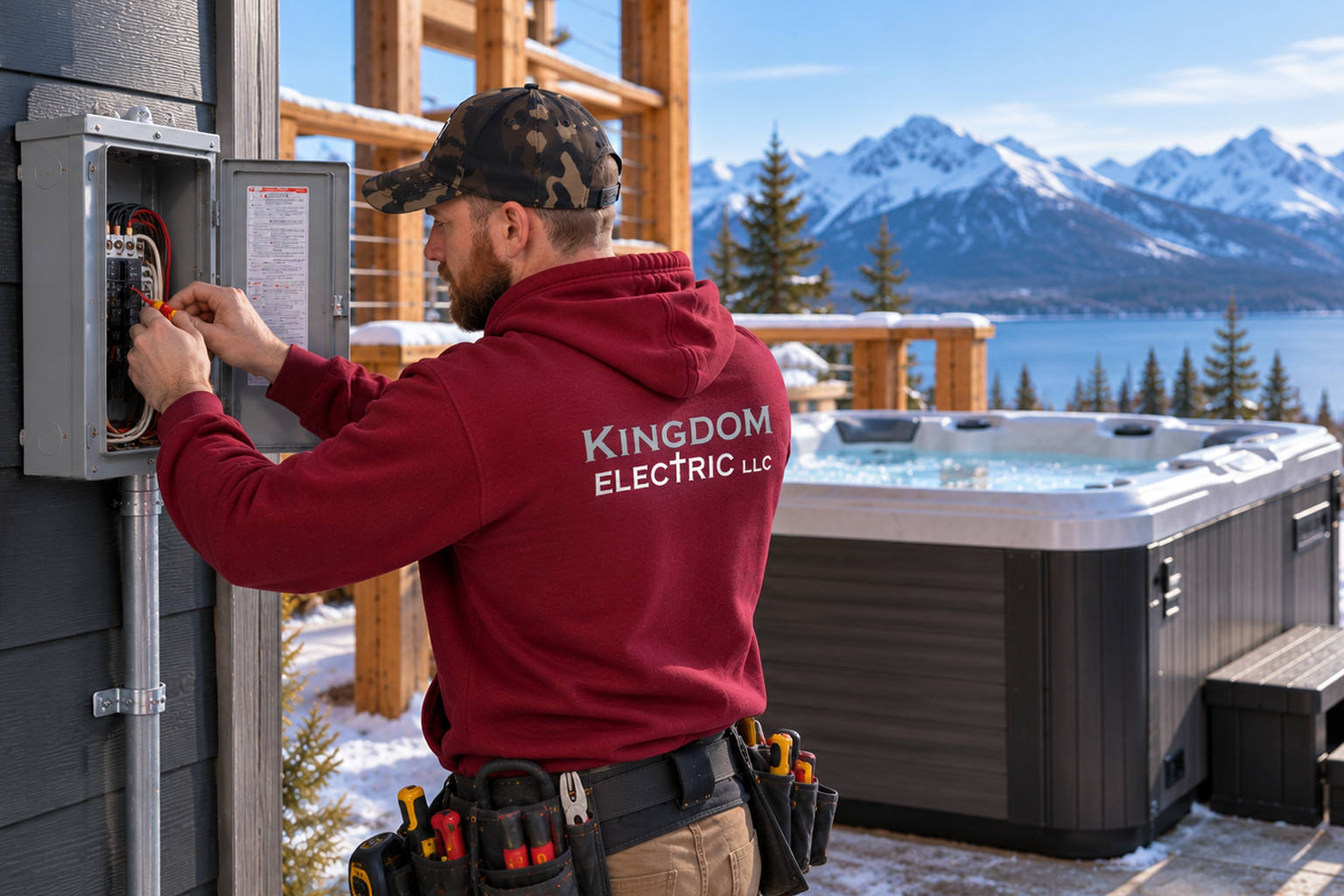
There’s nothing quite like relaxing in a hot tub after a long day, especially during a cold Alaska winter.
If you’re planning to add a hot tub to your Kenai Peninsula home, you’ve probably already thought about where to put it. Maybe you’ve even picked out the perfect model.
But have you thought about the electrical setup?
Hot tubs need more power than most household appliances. Depending on the model, you may need new wiring, a dedicated circuit, or changes to your electrical panel.
Understanding hot tub electric requirements before delivery can save you time, money, and headaches.
Here’s what you need to know before your new hot tub arrives.
1. What Are the Electrical Requirements for Your Hot Tub?
Not all hot tubs use the same amount of electricity.
Some smaller models plug into a standard 120-volt outlet. These are often called plug-and-play hot tubs.
Larger models usually need a 240-volt electrical connection. They may also need a 40-, 50-, or 60-amp circuit, depending on the manufacturer.
Before buying a hot tub, check its electrical specifications.
You’ll want to know:
- Does it need 120 or 240 volts?
- What size circuit does the manufacturer require?
- Does it need to be hardwired or plugged into an outlet?
- Where does the electrical connection enter the hot tub?
- Are there any special installation instructions?
You can usually find this information in the owner’s manual or installation guide.
If you’re unsure what the specifications mean, an electrician can help.
Knowing the hot tub electric requirements ahead of time makes it easier to plan the installation.
2. Can Your Electrical Panel Handle a Hot Tub?
Your electrical panel sends power to the different circuits in your home.
When you add a hot tub, you’re adding another large electrical load.
That means your panel needs enough capacity to handle it safely.
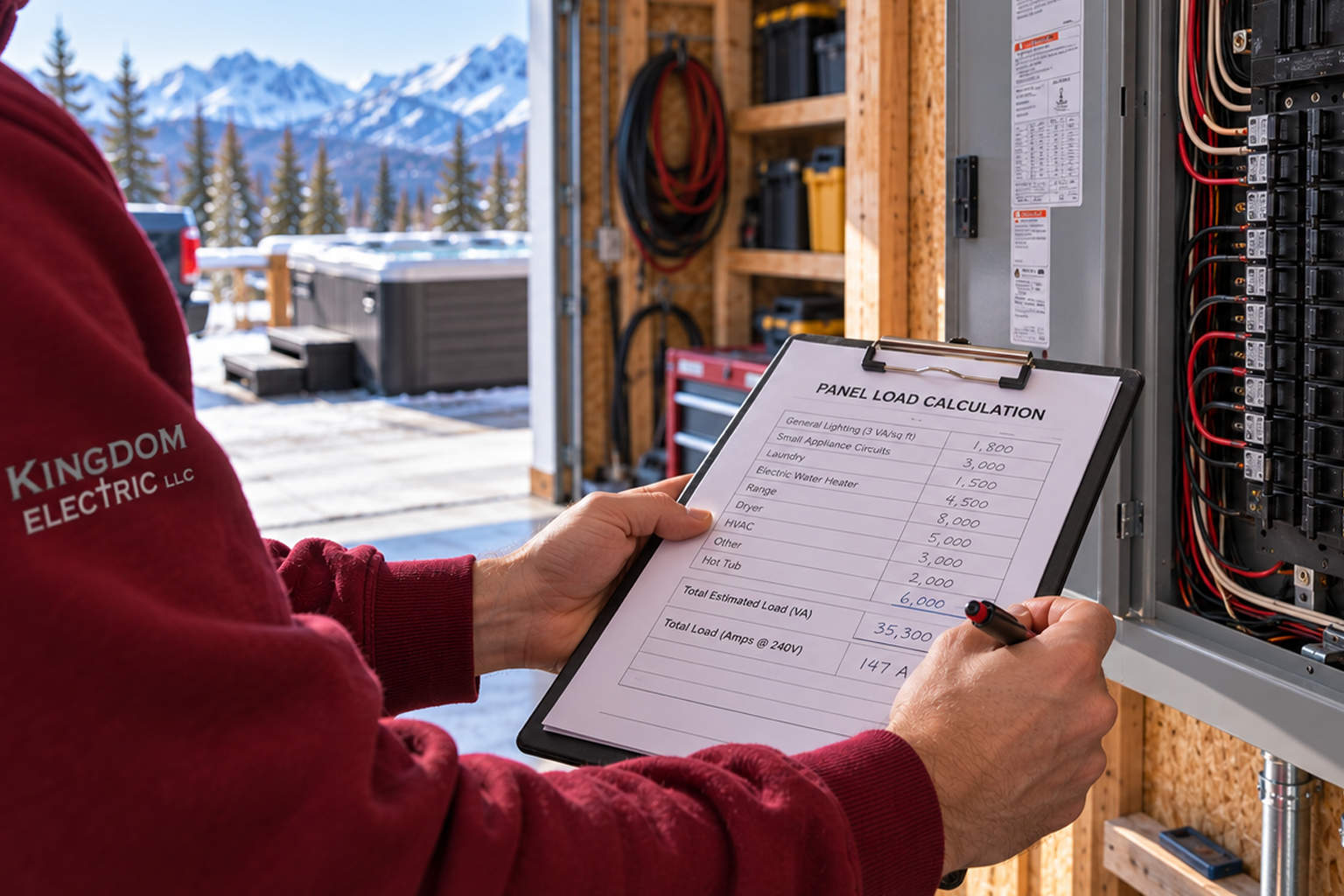
For example, your home may already have an electric water heater, dryer, range, or other large appliances.
Adding a hot tub could put more demand on the system.
An electrician can perform a load calculation to see how much power your home uses and whether there’s room for the hot tub.
Sometimes, your existing panel can handle the new circuit without any changes.
Other times, you may need an electrical upgrade.
Keep in mind that having an empty space in your breaker panel doesn’t always mean there’s enough electrical capacity.
That’s why it’s a good idea to have your panel checked before scheduling delivery.
3. Where Should You Put Your Hot Tub?
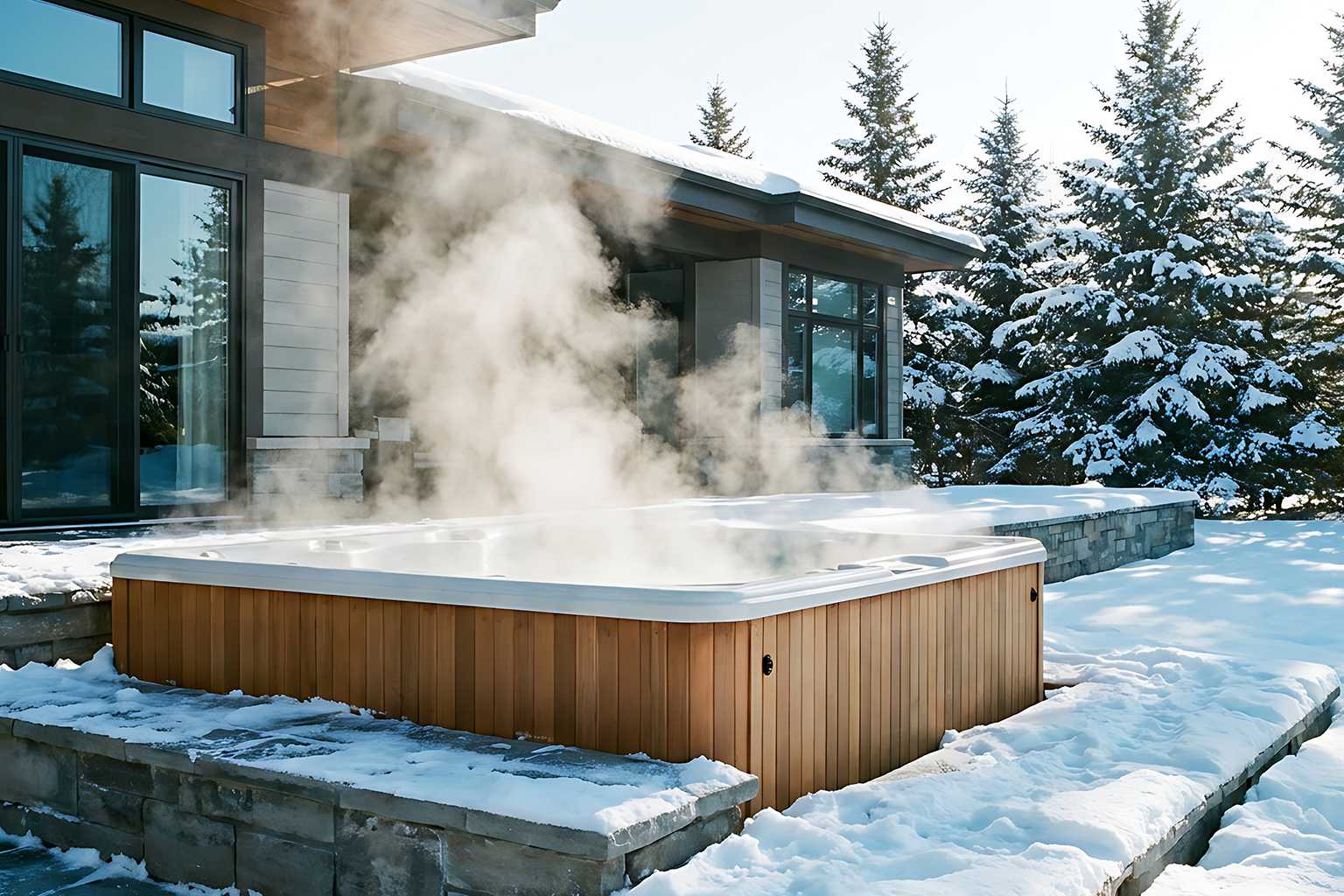
Choosing the right spot for your hot tub is about more than finding a nice view.
You also need to think about safety, access, and electrical wiring.
Hot tubs need a level, strong base that can support their weight when filled with water and people.
You’ll also want enough room to reach the equipment for maintenance and repairs.
For electrical safety, the hot tub must be placed the proper distance from outlets, switches, overhead power lines, and other electrical equipment.
Your electrician will also need to plan where the wiring will run.
A hot tub close to your house may be easier to connect than one across the yard.
If you’re planning a deck or patio, it’s a good idea to talk with your electrician before construction starts.
That way, you can plan the electrical work around the hot tub’s final location.
4. Does Your Hot Tub Need Its Own Circuit?
In most cases, yes.
Most full-size hot tubs need a dedicated electrical circuit. This means the circuit is used only for the hot tub.
A dedicated circuit helps make sure the hot tub gets the power it needs without sharing it with other appliances.
Hot tubs also need special electrical protection because water and electricity can be a dangerous mix.
One important safety feature is a ground-fault circuit interrupter, or GFCI.
A GFCI helps protect people from electric shock by shutting off power when it detects certain electrical faults.
Hot tub installations must also meet rules for grounding, bonding, and safe equipment placement.
The National Fire Protection Association provides information about electrical safety and the National Electrical Code.
Your electrician can explain which rules apply to your hot tub and how to meet them.
Never try to connect a hot tub using an extension cord or wiring that isn’t rated for the job.
5. How Much Does Hot Tub Electrical Installation Cost?
The cost of installing electrical service for a hot tub can vary quite a bit.
Some homes already have enough panel capacity and a simple path for new wiring.
Others need more work.
Several things can affect your hot tub electrical installation cost.
Distance From the Electrical Panel
The farther your hot tub is from the panel, the more wiring and labor may be needed.
Your Existing Electrical System
If your panel doesn’t have enough capacity, you may need an upgrade before installing the hot tub.
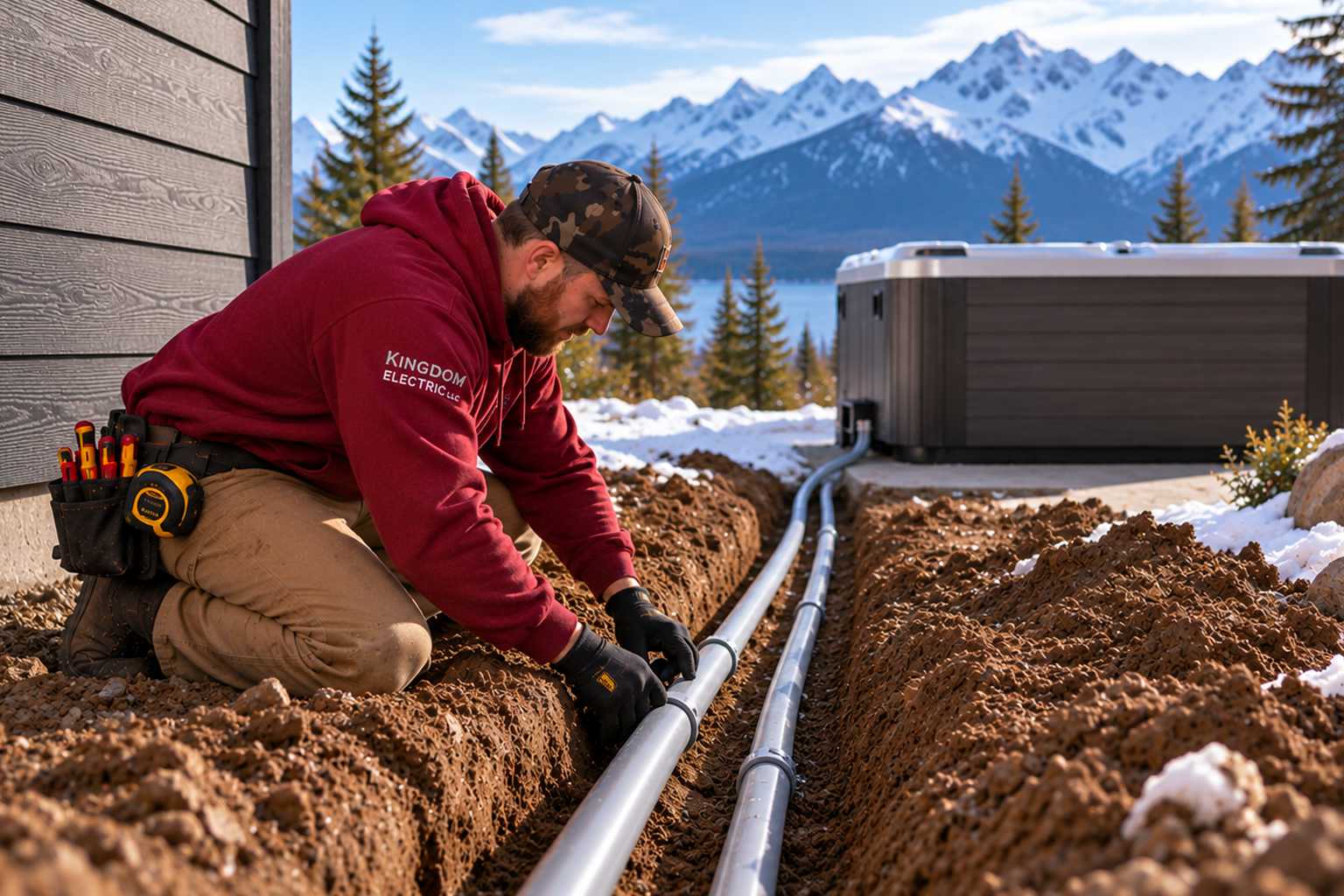
Underground Wiring
If the wiring needs to run underground, trenching and other work may be required.
Rocky ground, frozen soil, and other site conditions can make this more difficult.
Hot Tub Size and Power Needs
A larger hot tub may need a higher-capacity circuit and different electrical equipment.
Permits and Inspections
Depending on the location and type of work, permits and inspections may be required.
The Alaska Department of Labor and Workforce Development provides information about electrical inspections and code requirements.
Getting an electrical estimate before buying your hot tub can help you plan your budget.
6. Why Does Winter Matter for Hot Tub Installation in Alaska?
Here on the Kenai Peninsula, winter can make outdoor electrical work more challenging.
Frozen ground, deep snow, and icy conditions can affect how and when wiring is installed.
If your hot tub needs underground wiring, it’s often easier to complete that work before the ground freezes.
You’ll also need to think about access.
Can the delivery crew safely reach the hot tub location?
Will your electrician have room to work around the equipment?
Can the hot tub’s service panel be reached when snow piles up?
These are important questions if you plan to use your hot tub all winter.
It’s also smart to think about what happens during a power outage.
Hot tubs can lose heat when the power goes out, and freezing temperatures can damage plumbing and equipment.
Ask your hot tub dealer about winter care, freeze protection, and what to do during a long outage.
Planning ahead can help protect your investment.
7. When Should You Call an Electrician?
The best time to call an electrician is before your hot tub is delivered.
Even better, call before you make the final purchase.
That gives you time to confirm the hot tub electric requirements and find out whether your home is ready.
An electrician can:
- Check your electrical panel and available capacity.
- Review the hot tub’s electrical specifications.
- Plan the circuit, wiring, and GFCI protection.
- Help choose a safe location for electrical equipment.
- Explain whether upgrades or permits are needed.
- Give you an estimate for the electrical work.
This can help prevent delays once your hot tub arrives.
After all, nobody wants a brand-new hot tub sitting in the yard because the electrical connection isn’t ready.
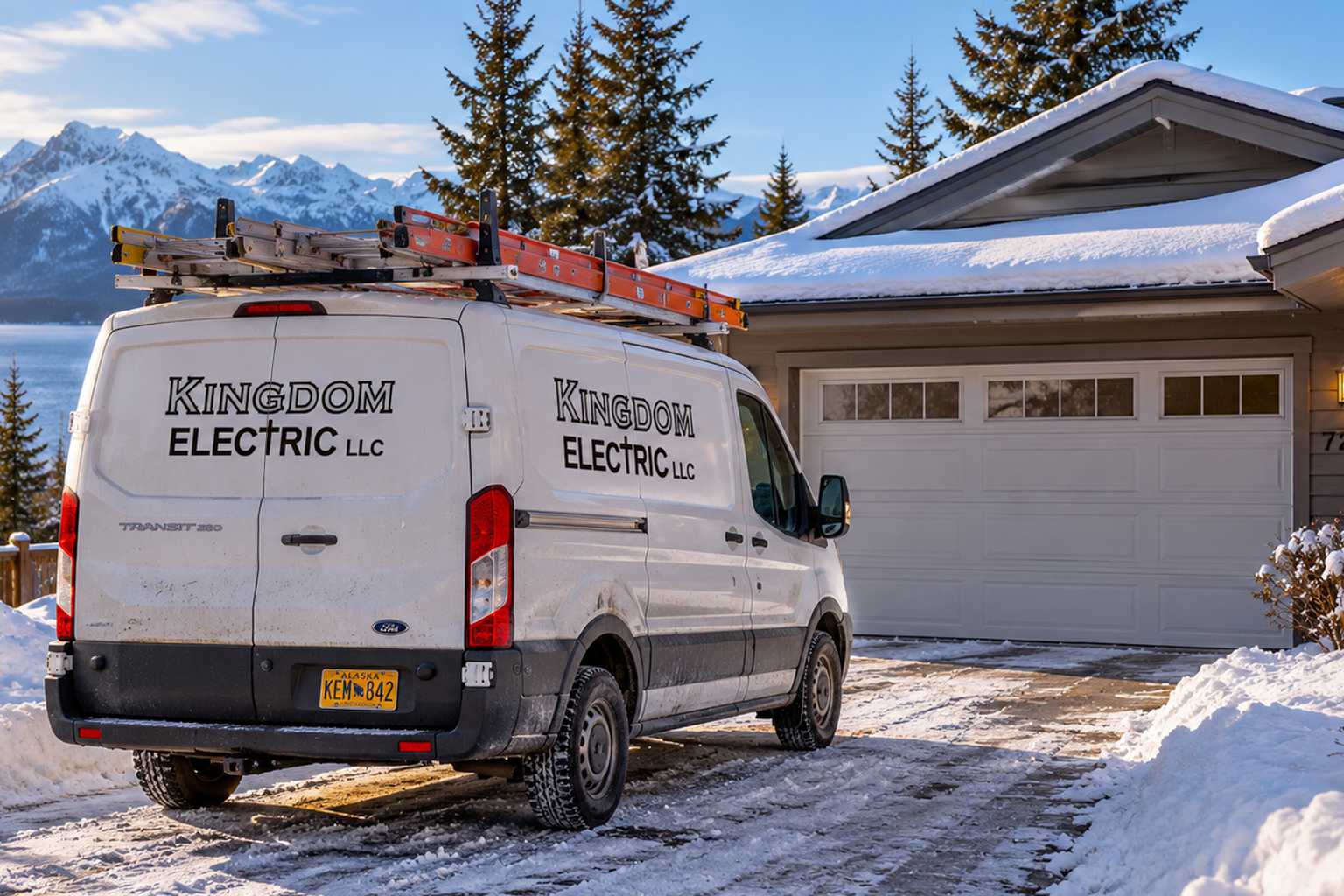
Get Your Hot Tub Ready With Kingdom Electric
Installing a hot tub should be exciting, not stressful.
At Kingdom Electric, we help homeowners throughout the Kenai Peninsula plan safe, reliable electrical installations.
Whether you’re adding a hot tub in Soldotna, Kenai, Sterling, or a nearby community, we can help you figure out what your home needs.
We’ll review your hot tub electric requirements, check your electrical panel, and help plan the right wiring and circuit protection.
We’ll also explain your options in plain language so you know what to expect before the work begins.
And because we live and work here, we understand how Alaska weather can affect outdoor electrical projects.
Thinking about adding a hot tub to your home?
Contact Kingdom Electric before delivery. We’ll help you get the electrical work planned so you can spend less time worrying about wiring and more time enjoying your new hot tub.