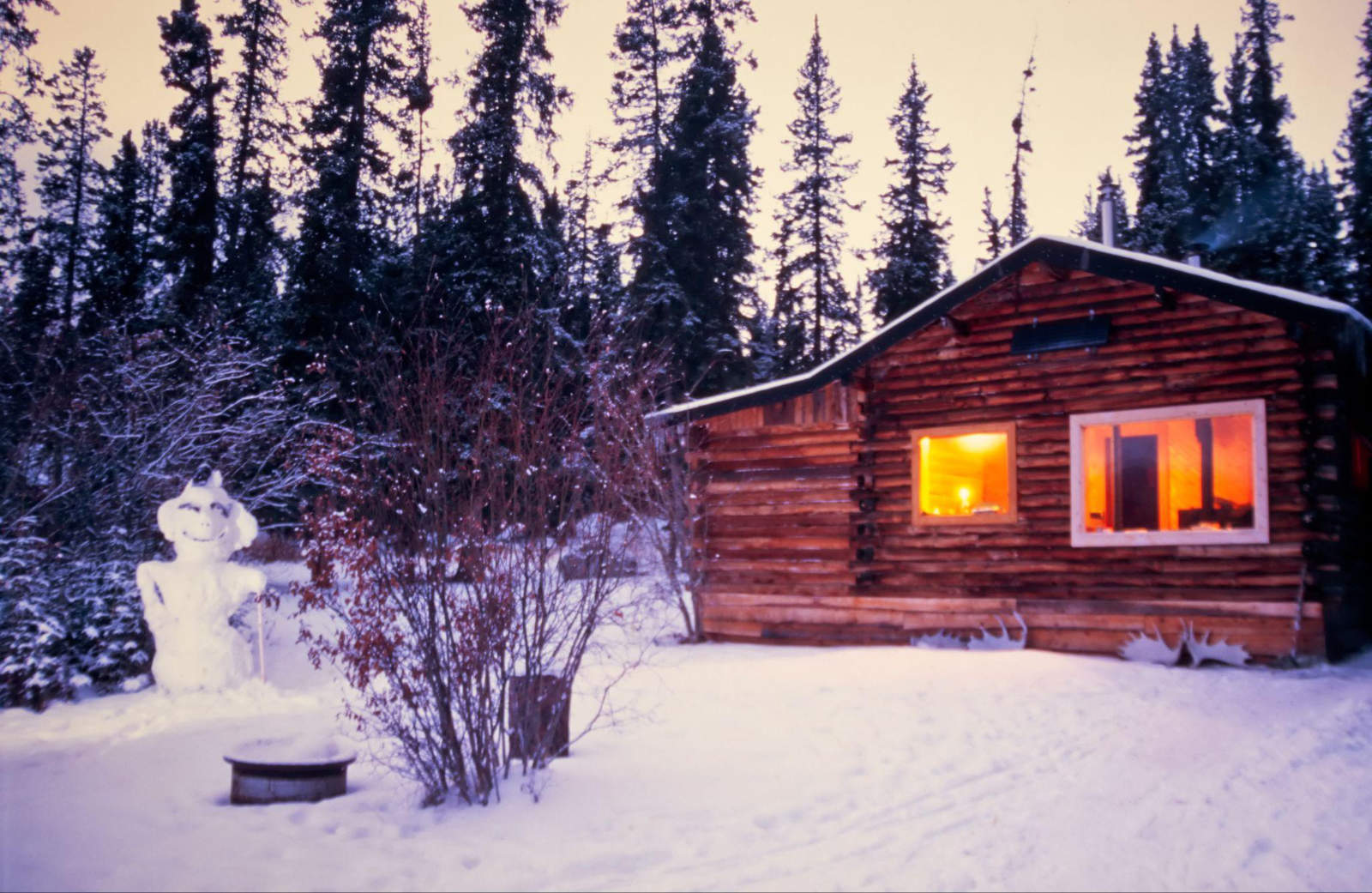
Owning a cabin on the Kenai Peninsula comes with some pretty great perks. You get quiet, space, incredible scenery, and a place that feels far removed from everyday life.
Of course, “far removed” can become a little less charming when something goes wrong in January.
If you close your cabin for part of the year, preparing the electrical system should be part of your winter routine. Long stretches of freezing weather, moisture, snow, and power outages can all cause problems while nobody is around to notice.
A little planning before you lock the door can help protect your property until you return. And if you are not sure what should stay powered and what should be shut down, a cabin electrician in Cooper Landing can help you make a plan that fits your property.
Start With a Good Look at Your Electrical System
Before shutting down for winter, take some time to look around your cabin.
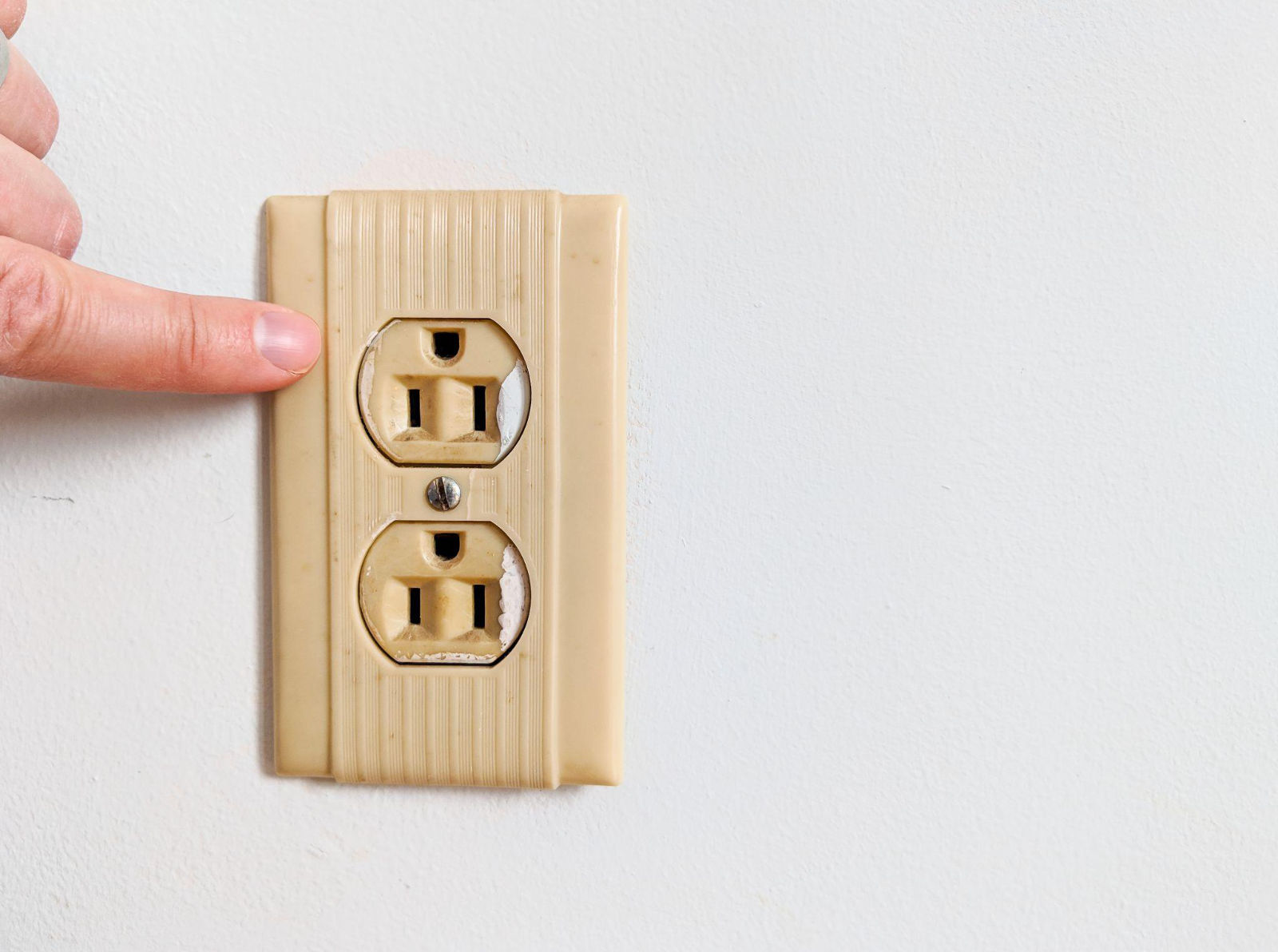
Check outlets, switches, electrical panels, exterior connections, and any visible wiring. Look for damage, loose covers, signs of moisture, scorch marks, or anything else that does not look right.
This is especially important at older cabins. Electrical systems can change a lot over the years as generators, heaters, appliances, sheds, and other equipment are added.
If something looks questionable, have a cabin electrician in Cooper Landing inspect it before you leave. A small repair in the fall is much easier to deal with than an electrical failure in the middle of an Alaska winter.
Decide What Actually Needs Power
Not every seasonal cabin should be completely powered down.
Some owners shut off almost everything. Others need electricity for heat, security systems, internet equipment, cameras, sump pumps, water systems, or other equipment.
The right choice depends on how your cabin is built and what you need to protect.
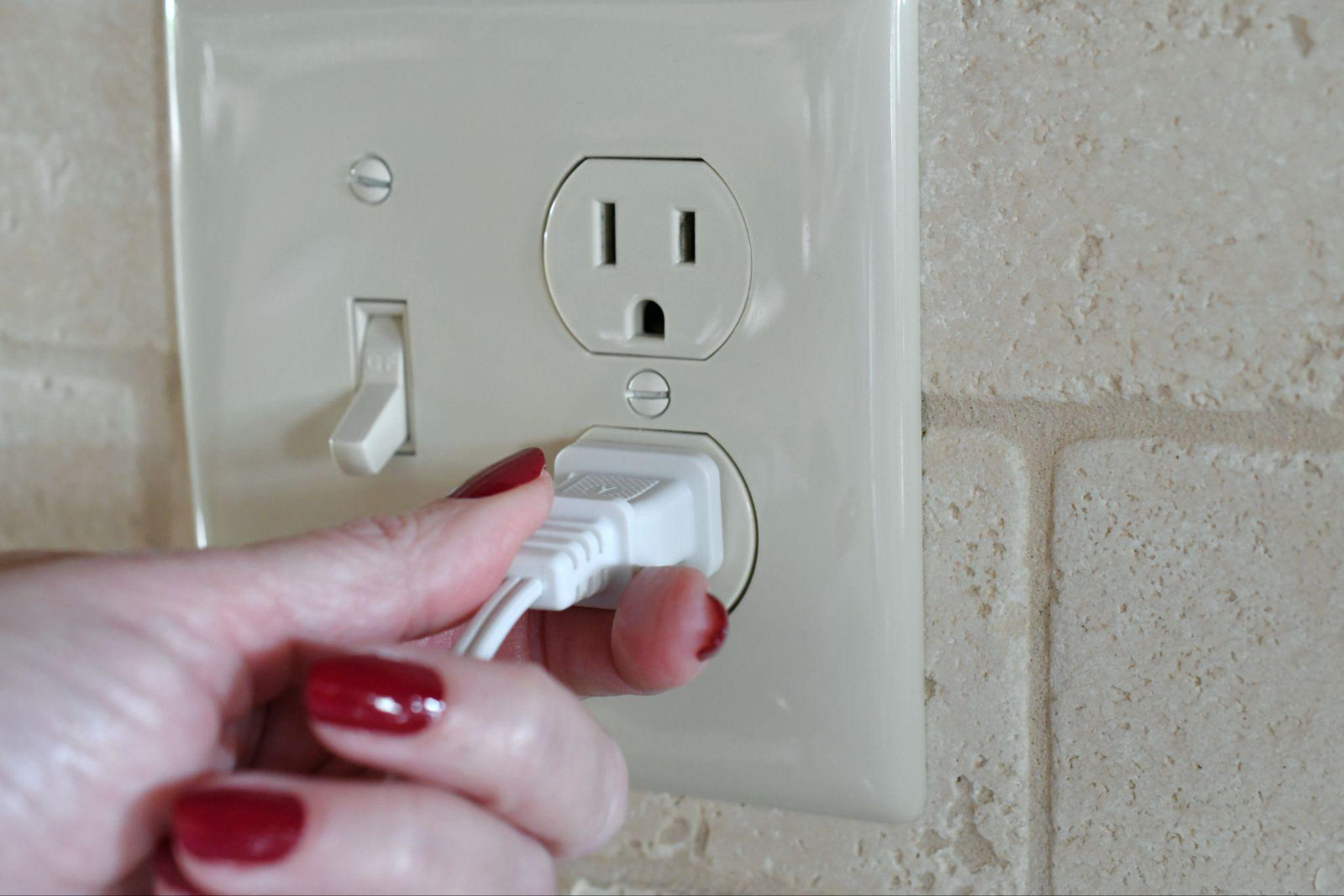
If you are turning off most of the power, unplug appliances and electronics that will not be used. That includes TVs, countertop appliances, chargers, and other devices that do not need to stay connected all winter.
If certain systems need to remain on, make sure you know which circuits supply them. Clear panel labels make this much easier. A cabin electrician in Cooper Landing can also help separate important loads from circuits that can safely be switched off.
Think About Heat Before You Leave
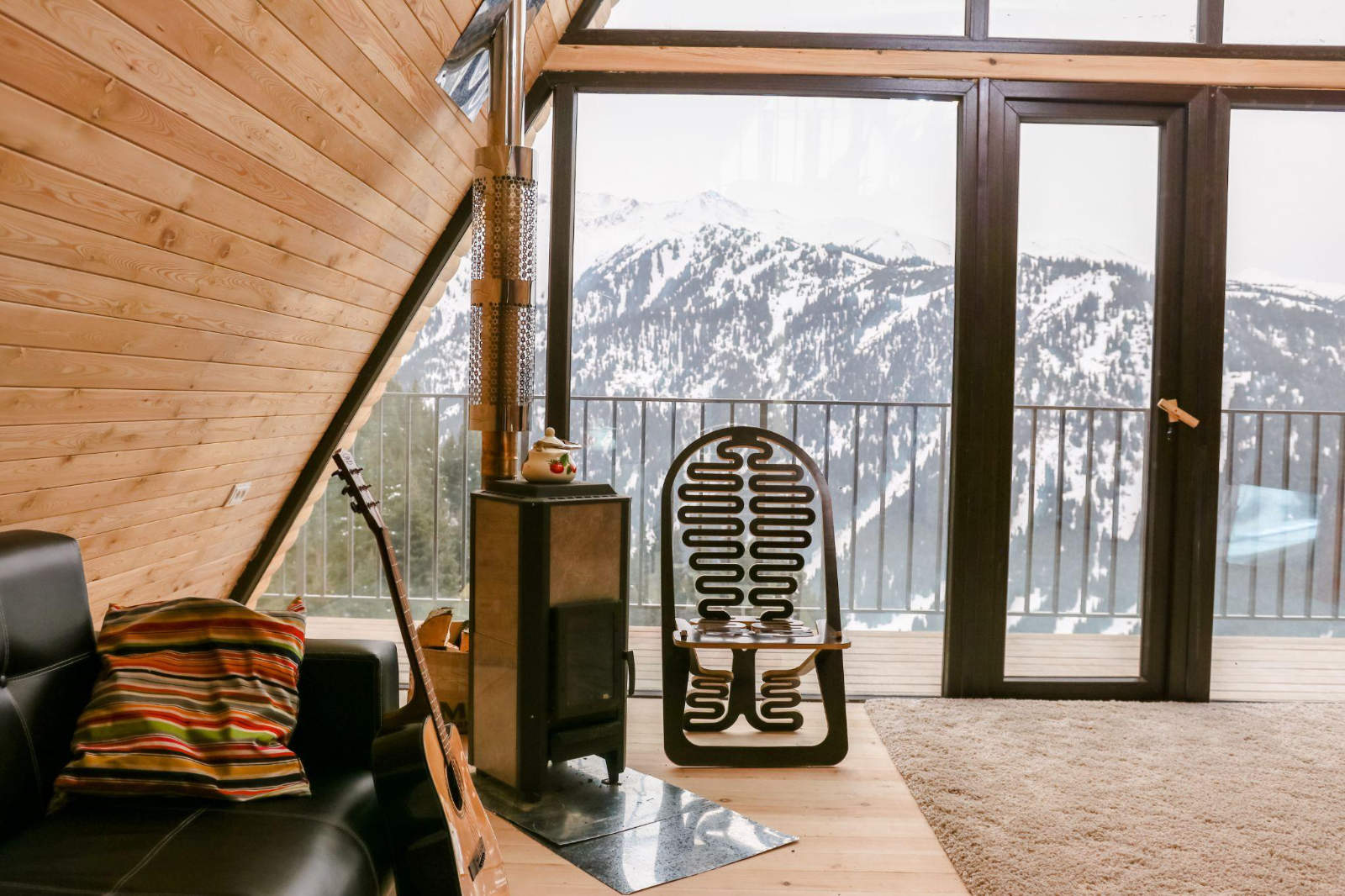
Keeping some heat in a cabin may help prevent frozen pipes and moisture problems, but electric heat needs to be set up safely.
Portable space heaters are not a good choice for unattended heating. They are designed for temporary use while people are around, not for running alone in an empty cabin for weeks or months.
If your property needs electric heat through the winter, use equipment designed for that purpose. Make sure heaters have proper clearance and are connected to circuits that can safely handle the load.
This is one area where getting advice from a cabin electrician in Cooper Landing can be especially helpful. Remote properties can have electrical setups that are very different from a typical year-round home.
Do Not Forget About Moisture
Cold is not the only thing working against an empty cabin. Moisture can cause trouble, too.
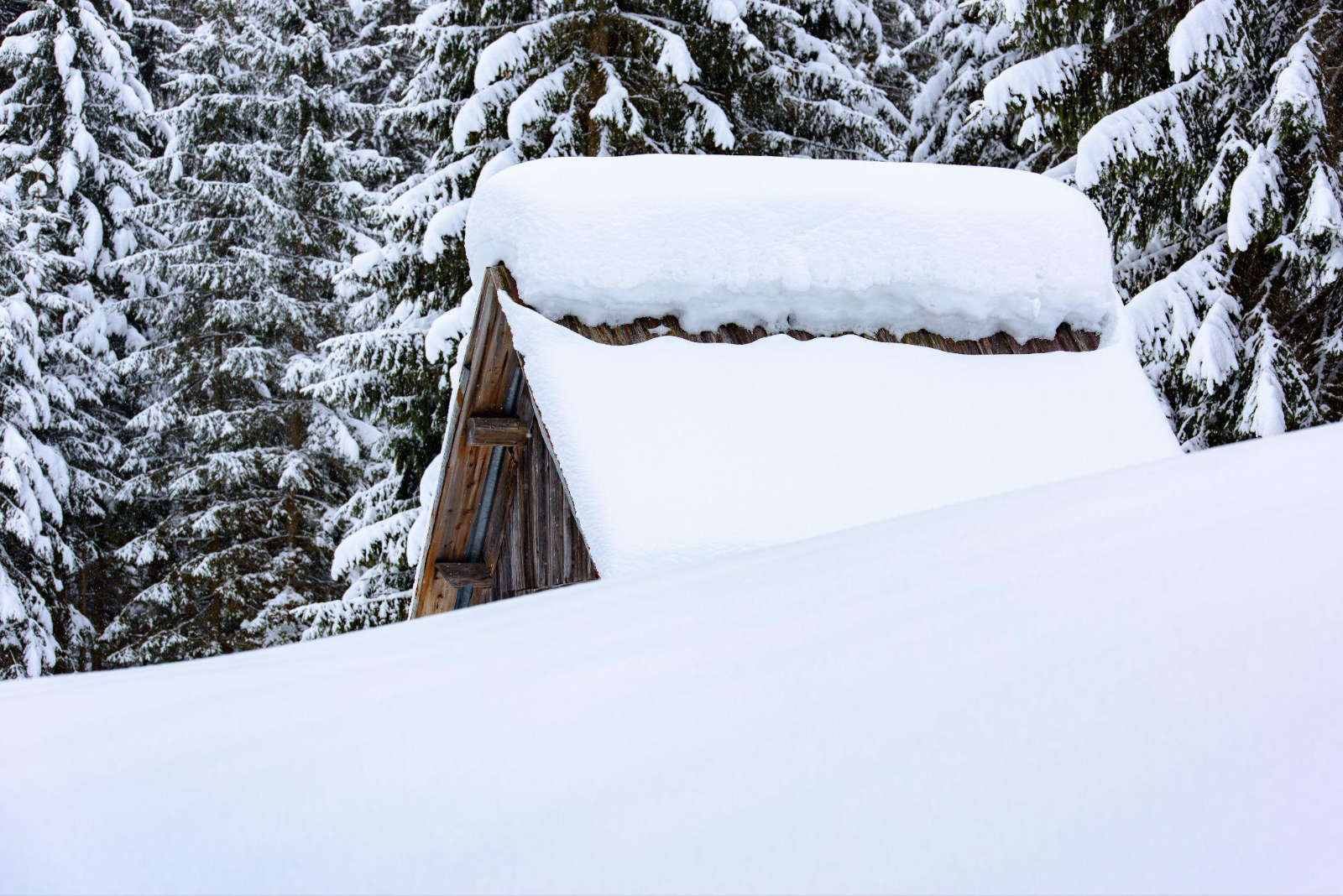
Snow, ice, condensation, roof leaks, and changing temperatures can introduce water where you do not want it. Moisture around electrical equipment can damage connections and create safety concerns.
Check exterior outlets and electrical boxes to make sure their covers are secure and in good condition. Look around the electrical panel and other equipment for signs of past leaks.
If you have outdoor power running to a shed, dock, pump, or other structure, inspect those connections as well.
A cabin electrician in Cooper Landing can identify areas where weather protection or electrical repairs may be needed before winter arrives.
Prepare Your Backup Power System
A generator can be a big part of owning a remote Alaska property, but it needs attention before you leave.
If you have a standby generator, follow its maintenance schedule and make sure it is ready for cold weather. Check that the area around it is clear and that snow will not block airflow or exhaust.
If your cabin uses a portable generator, store it safely and never leave fuel or equipment in a way that creates a fire hazard.
You should also know how your generator connects to the cabin. A properly installed transfer switch helps keep generator power separate from utility power and makes backup power safer to use.
If you are unsure about your setup, have a cabin electrician in Cooper Landing check it before winter. You do not want to discover a problem with your backup system during the first outage of spring.
Check Batteries and Remote Monitoring Equipment
Remote monitoring can make owning a seasonal cabin a whole lot easier.
Cameras, temperature sensors, leak detectors, and power monitors can let you know what is happening without requiring a winter drive to check on the place.
But those systems only help if they keep working.
Replace weak batteries before you leave. Check backup batteries in security and monitoring equipment, and make sure devices can reconnect after a power outage.
If your cabin relies on a battery bank, solar system, or other off-grid equipment, follow the manufacturer’s recommendations for winter storage and charging. Extreme cold can affect battery performance and lifespan.
For more complex systems, a cabin electrician in Cooper Landing can help make sure everything is set up for the months ahead.
Make Sure Your Panel Is Easy to Understand
An electrical panel should not require detective work.
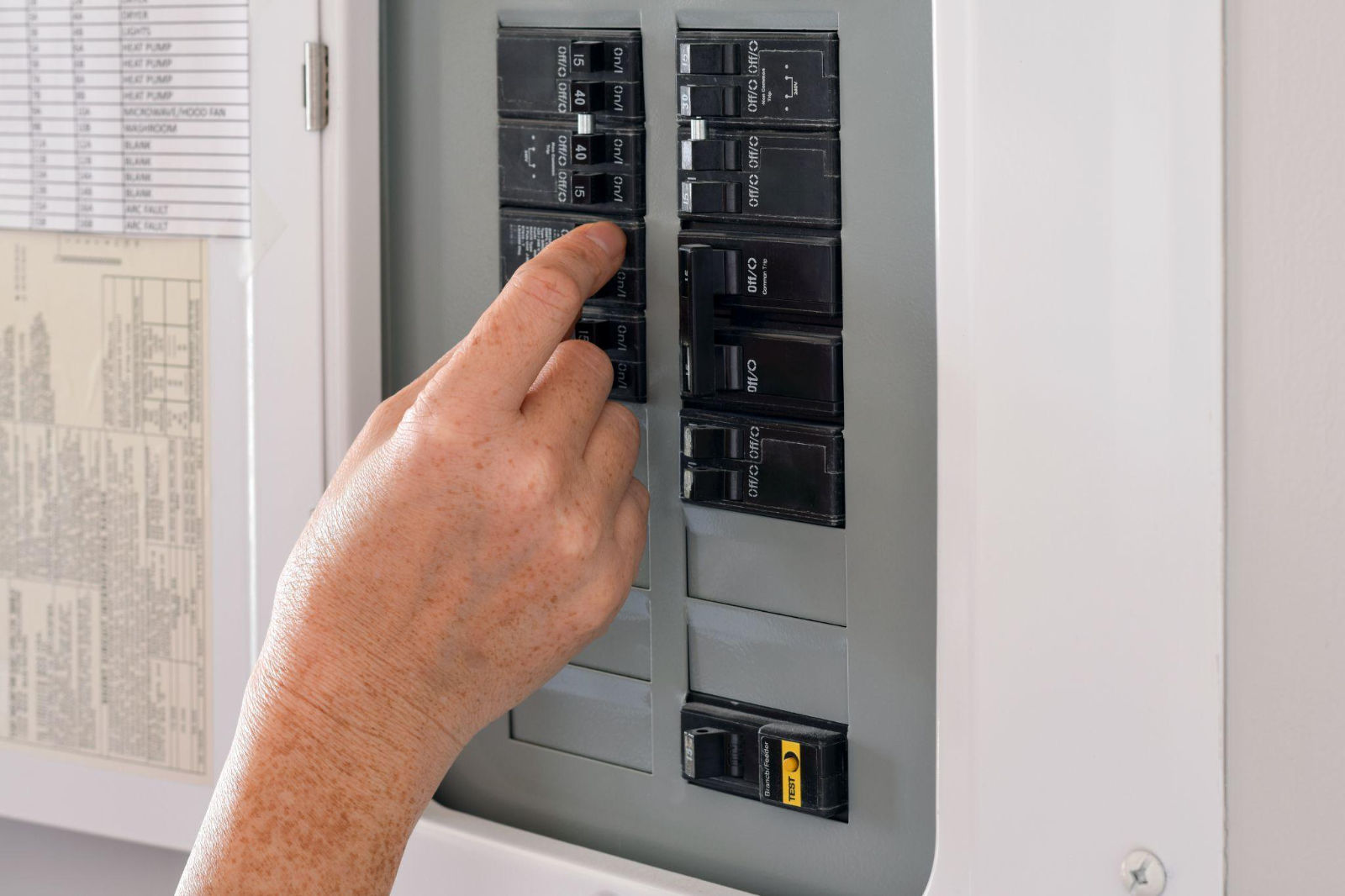
Every breaker should be clearly labeled so you know what it controls. That becomes even more important when you are shutting down some circuits while leaving others running.
Clear labels also help if a friend, caretaker, or service technician needs to visit the property while you are away.
Before leaving, make a simple note of which breakers should remain on. Keep a copy somewhere accessible in case someone needs to check the cabin for you.
If your panel has old, missing, or confusing labels, a cabin electrician in Cooper Landing can help identify circuits and clean things up.
Plan for Spring Before You Close the Door
Winterizing is also about making reopening easier.
Before leaving, make notes about anything that needs attention in the spring. If you noticed a flickering light, a breaker that tripped, a damaged outlet, or equipment that was acting strangely, write it down instead of hoping you will remember months later.
When you return, do not automatically switch everything on at once. Take a look around first. Check for water damage, signs of pests, damaged wiring, or anything else that may have changed over the winter.
If the cabin experienced flooding, major ice damage, or another problem while you were gone, have the electrical system checked before restoring power.
Close Up With Confidence
A seasonal cabin should be a place you look forward to coming back to, not something you spend all winter worrying about.
Taking a little time to prepare the electrical system can help protect your cabin, your equipment, and the systems you depend on. Whether you are shutting down completely or keeping a few important circuits running, the goal is to leave everything safe and ready for Alaska’s long winter.
Kingdom Electric LLC understands the electrical needs of cabins and remote properties on the Kenai Peninsula. If you need a cabin electrician in Cooper Landing to inspect your system, improve your backup power setup, or help you prepare your property for winter, give us a call.
Talk to Kingdom Electric LLC about electrical inspections, backup power, and winter preparation for your Kenai Peninsula cabin.