
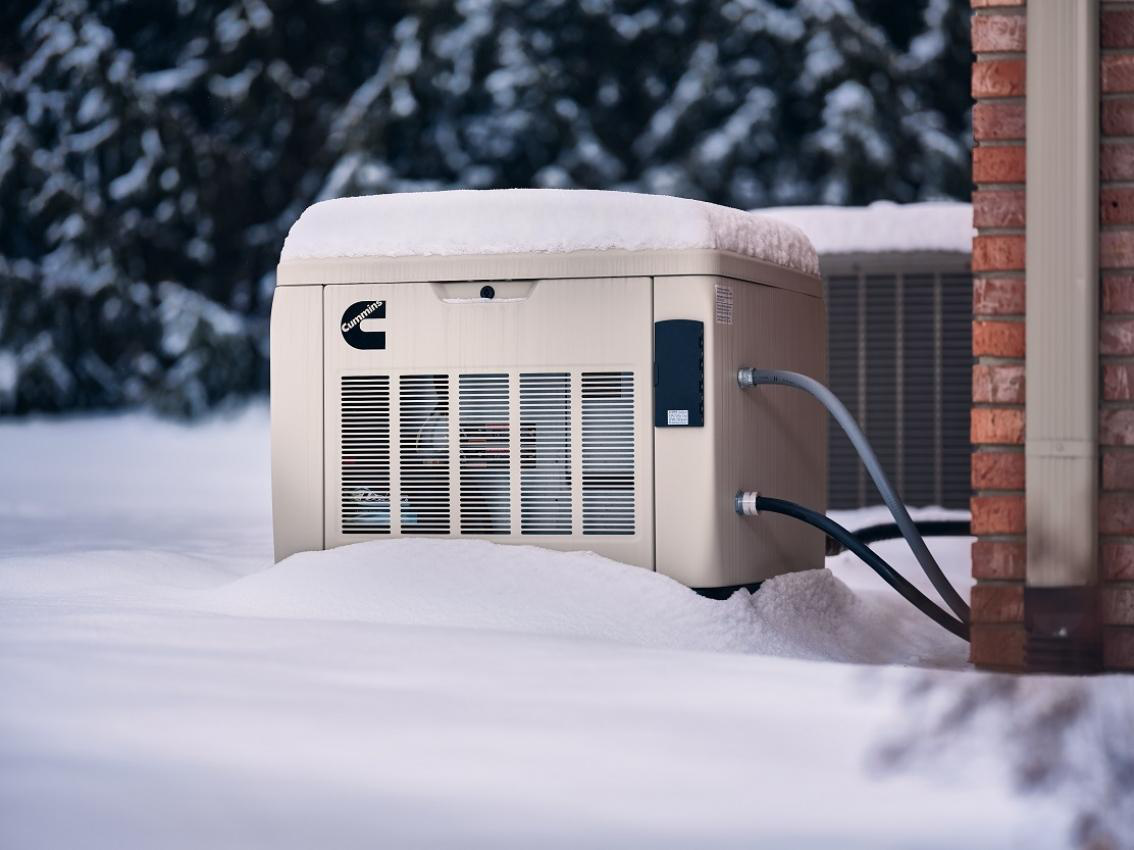
The wind picks up off Cook Inlet, the lights flicker, and then everything goes quiet.
You wait a second, maybe two. Then you grab your jacket, head outside, and hit the generator.
Click.
Or worse, nothing at all.
That moment right there is why generator maintenance matters. Not in theory, not as a “good idea,” but in a very real, very immediate way. Around Kenai, Sterling, and Soldotna, most generator failures aren’t bad luck. They’re things that have been quietly building for months.
If you want your backup power to actually be there when you need it, there are four big things you can’t ignore.
Why Generator Maintenance Solves Fuel Problems Early
Fuel doesn’t just sit quietly and wait for you to need it. Over time, it breaks down. Gas can form varnish, diesel can start to gel, and moisture can sneak in, especially with the temperature swings we get on the Peninsula.
A lot of people don’t notice anything is wrong until they try to start the generator and it cranks without catching, or it fires up and runs rough for a minute before shutting down.
That’s not bad timing. That’s fuel that’s been sitting too long.
This is one of the most common issues caught during routine generator maintenance. Fuel stabilizers help prevent that breakdown, but they’re not a one-and-done solution. Tanks need to be checked. Old fuel needs to be cycled out. Lines and filters need to stay clean.
Around here, generators can sit for long stretches without being used. That’s exactly when these problems start. By the time a windstorm rolls through, the damage is already done.
Cold Kills Batteries Faster Than You Think
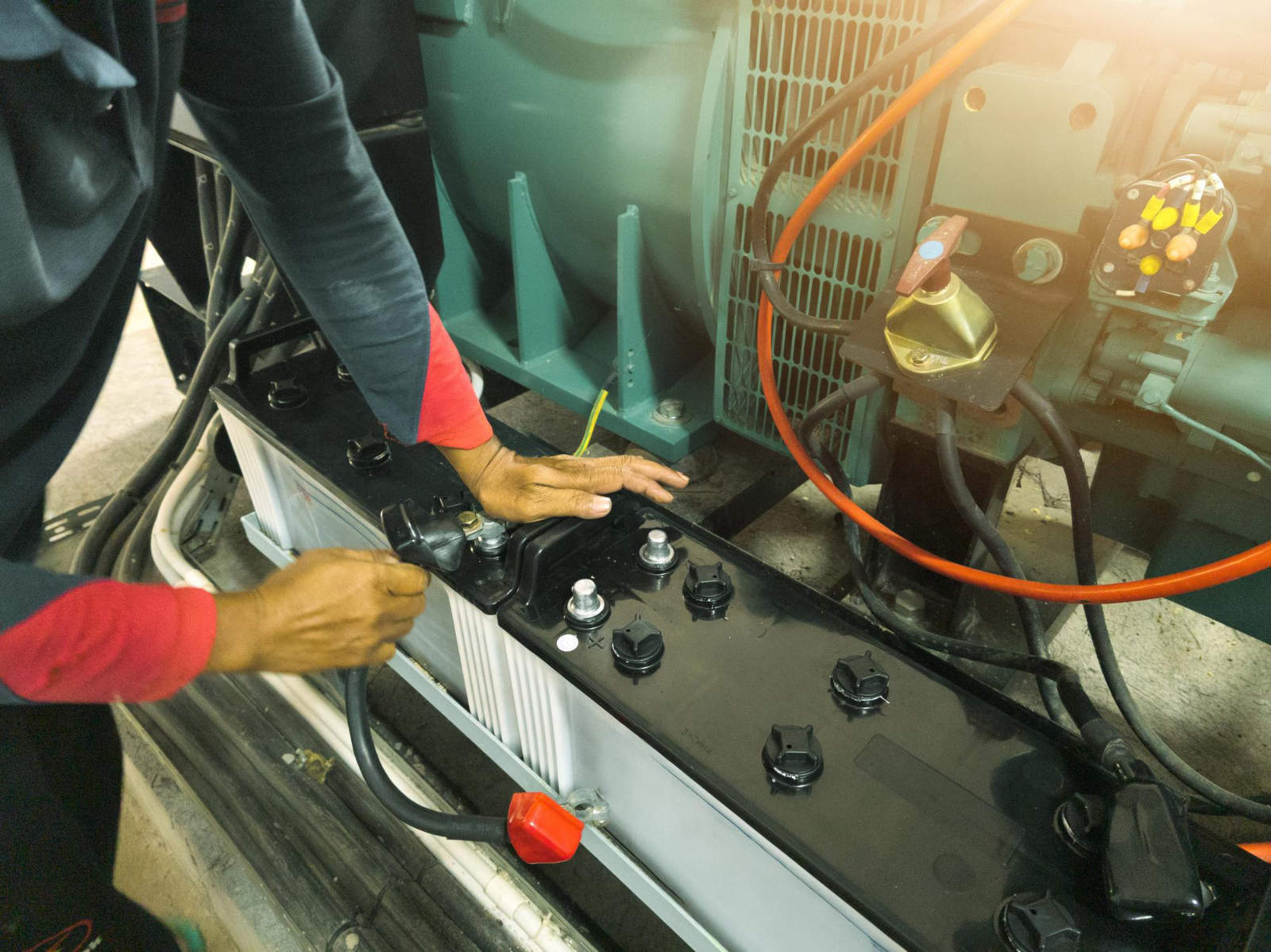
If you’ve lived here long enough, you already know the cold is hard on everything. Batteries are no exception.
A battery that worked perfectly fine in the summer can struggle or fail completely once temperatures drop. And when your generator relies on that battery to start, that’s a problem you feel immediately.
Sometimes you’ll hear a weak crank. Sometimes just a click. Sometimes nothing at all.
That’s why battery checks are a key part of proper generator maintenance. It’s not just about whether the battery works, it’s about whether it will work when it’s cold.
Battery heaters make a big difference in Alaska. They help maintain voltage and give your generator a fighting chance when temperatures dip. Connections matter too. Corrosion builds up faster than people expect, especially in damp, coastal conditions.
At the end of the day, if the battery isn’t ready, the rest of the system doesn’t get a say.
Cold-Weather Kits Aren’t Optional Up Here
Generators aren’t all built with Alaska in mind. A lot of units come designed for milder climates, which means they need help to perform properly in the cold.
That’s where cold-weather kits come in.
These kits usually include things like oil heaters, coolant heaters, and battery warmers. They’re designed to keep critical components at workable temperatures so your generator can start and run the way it’s supposed to.
Without them, oil thickens, components stiffen up, and startup becomes a lot harder on the system, if it happens at all.
But here’s the part people miss. Installing a cold-weather kit isn’t the finish line. It still needs to be checked and maintained. Heaters can fail. Connections can loosen. Components can wear out.
That’s why ongoing generator maintenance matters just as much as the initial setup. It’s the difference between having the right equipment and having equipment that actually works when you need it.
On the Kenai Peninsula, this isn’t an upgrade. It’s just part of doing things properly.
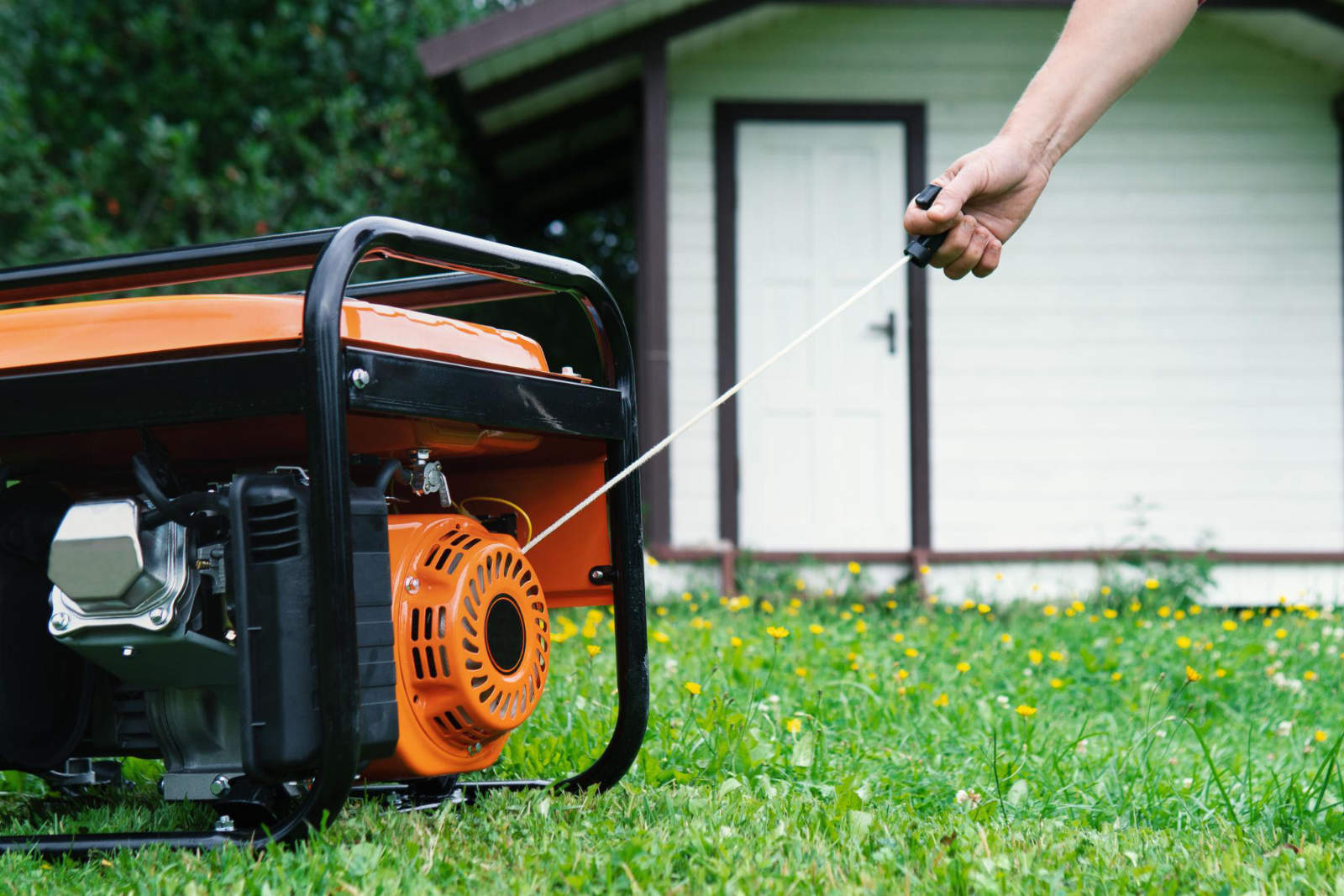
If It Never Runs, It Might Not Run When You Need It
It sounds backwards, but one of the worst things you can do for a generator is let it sit untouched for too long.
When a generator doesn’t run regularly, fuel sits and degrades. Internal parts don’t stay lubricated. Seals can dry out. Small issues build up quietly in the background.
Then the power goes out, and that’s the first time the system is asked to do anything in months.
That’s not a great time to find out something’s wrong.
A big part of solid generator maintenance is making sure the unit exercises itself regularly. That means it runs on a schedule, even when the power is on. It gives the system a chance to stay in working condition and gives you a chance to catch problems early.
It’s also where load testing comes in. It’s one thing for a generator to turn on. It’s another for it to actually handle your home when everything kicks on at once.
If it never runs under real conditions, you don’t actually know what it’s going to do when it matters.
“It Worked Last Year” Doesn’t Mean Much
This is one of the most common things people say, and it makes sense. If something worked before, you expect it to work again.
But a lot can change in a year.
Fuel can degrade. Batteries lose strength. Connections loosen. Small issues that didn’t matter before can turn into full-on failures when the system is pushed.
That’s why consistent generator maintenance matters more than occasional check-ins. It keeps things from quietly slipping out of shape while everything looks fine on the surface.
Around here, you don’t get much warning before you need your generator. It either works, or it doesn’t.
What a Real Generator Maintenance Plan Looks Like
This is where having a proper plan makes a difference.
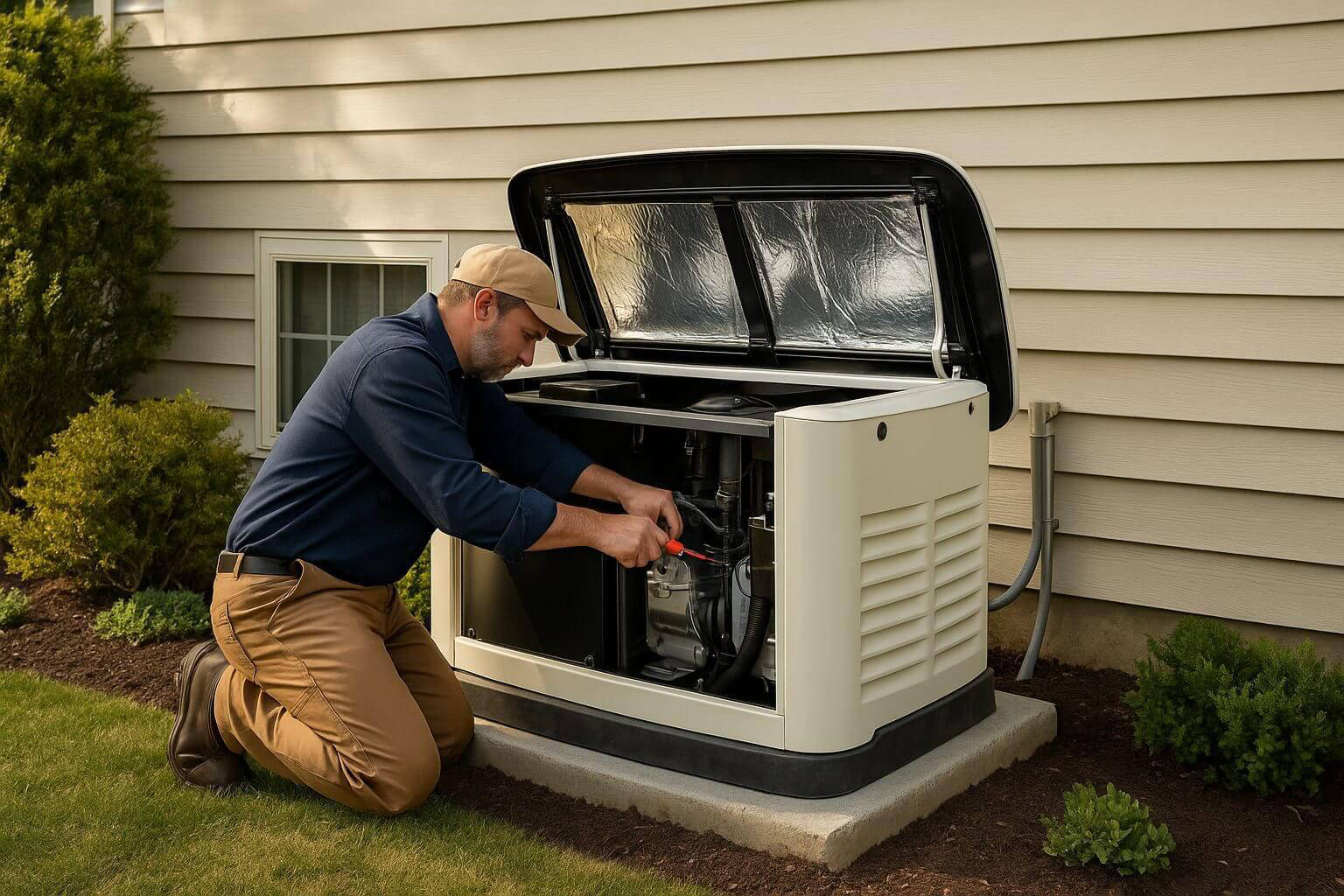
A solid generator maintenance setup isn’t just someone taking a quick look once in a while. It’s a system.
That usually includes scheduled inspections, fuel system checks, battery testing, and making sure cold-weather components are doing their job. It also includes regular exercise cycles so the generator runs automatically and stays ready.
Companies like Kingdom Electric build maintenance plans around how generators actually get used on the Peninsula. That means factoring in long idle periods, cold weather stress, and the kind of storms that knock power out when you least expect it.
The goal isn’t just to keep the generator in “good shape.” It’s to make sure it’s ready, tested, and reliable before you ever need to rely on it.
When Should You Schedule Generator Maintenance in Kenai?
Timing matters more than people think.
The best time to handle generator maintenance is before winter sets in. That gives you a chance to catch and fix issues before the weather turns and demand goes up.
A mid-season check can make sense too, especially if the generator has been running more than usual. And if your system has been sitting idle for months, it’s worth having it looked at before you trust it again.
Fall tends to get busy for this kind of work, and for good reason. It’s the window where you can still get ahead of problems instead of reacting to them.

The Whole Point Is Simple
A generator is there for one reason. It’s supposed to work when everything else doesn’t.
But that only happens if it’s been taken care of.
Generator maintenance is what turns a backup plan into something you can actually rely on. Without it, you’re guessing every time the lights go out. With it, you already know what’s going to happen when you hit that start button.
And on the Kenai Peninsula, that kind of certainty is worth having.